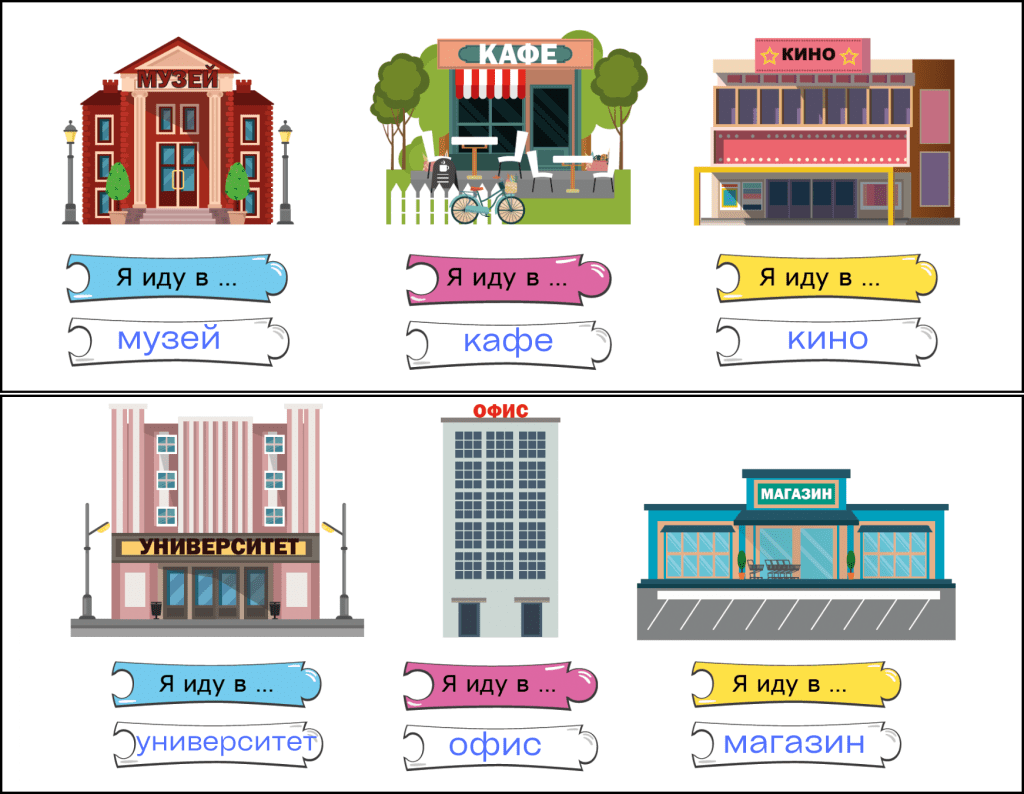
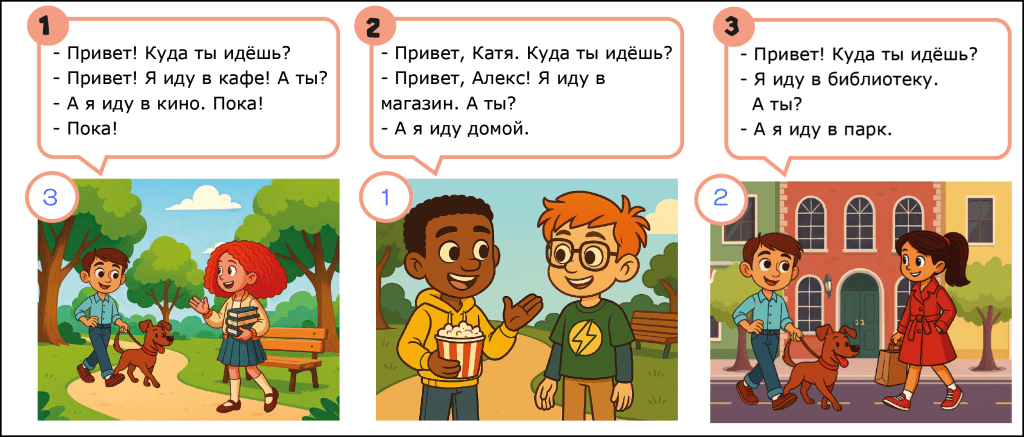
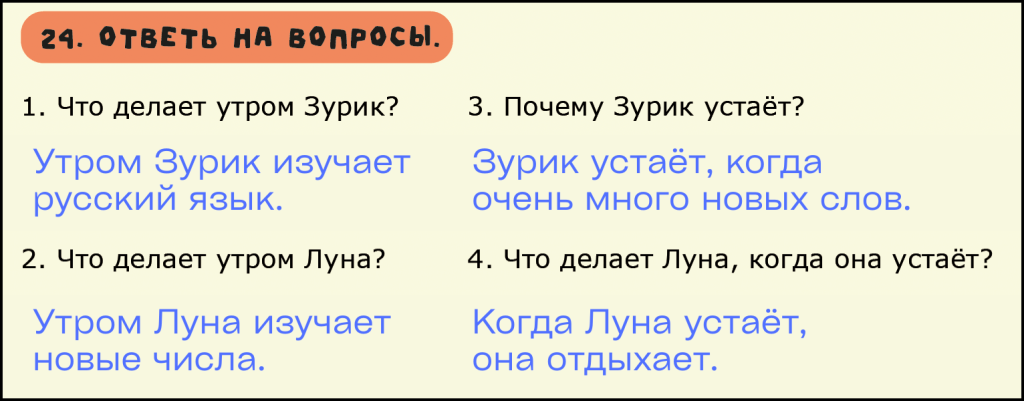
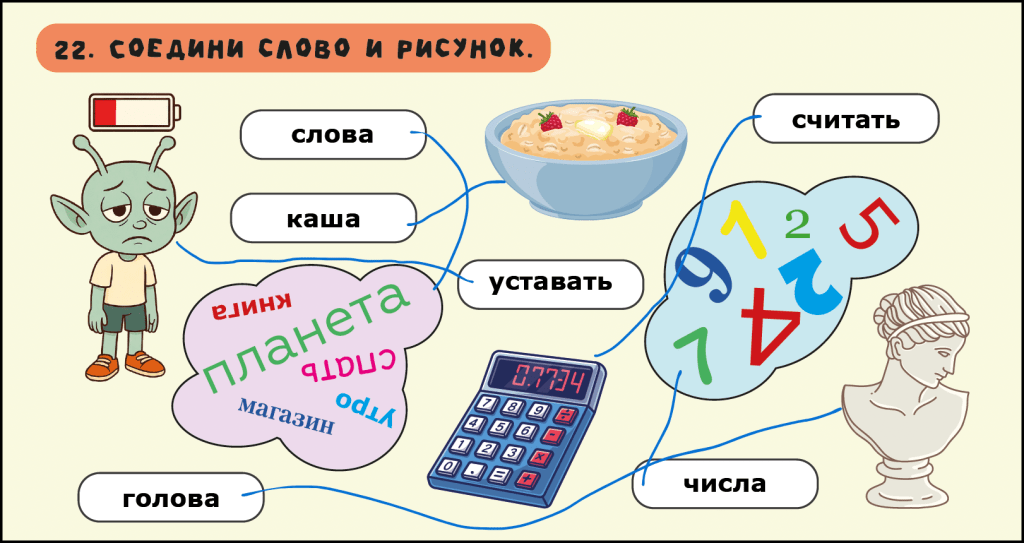
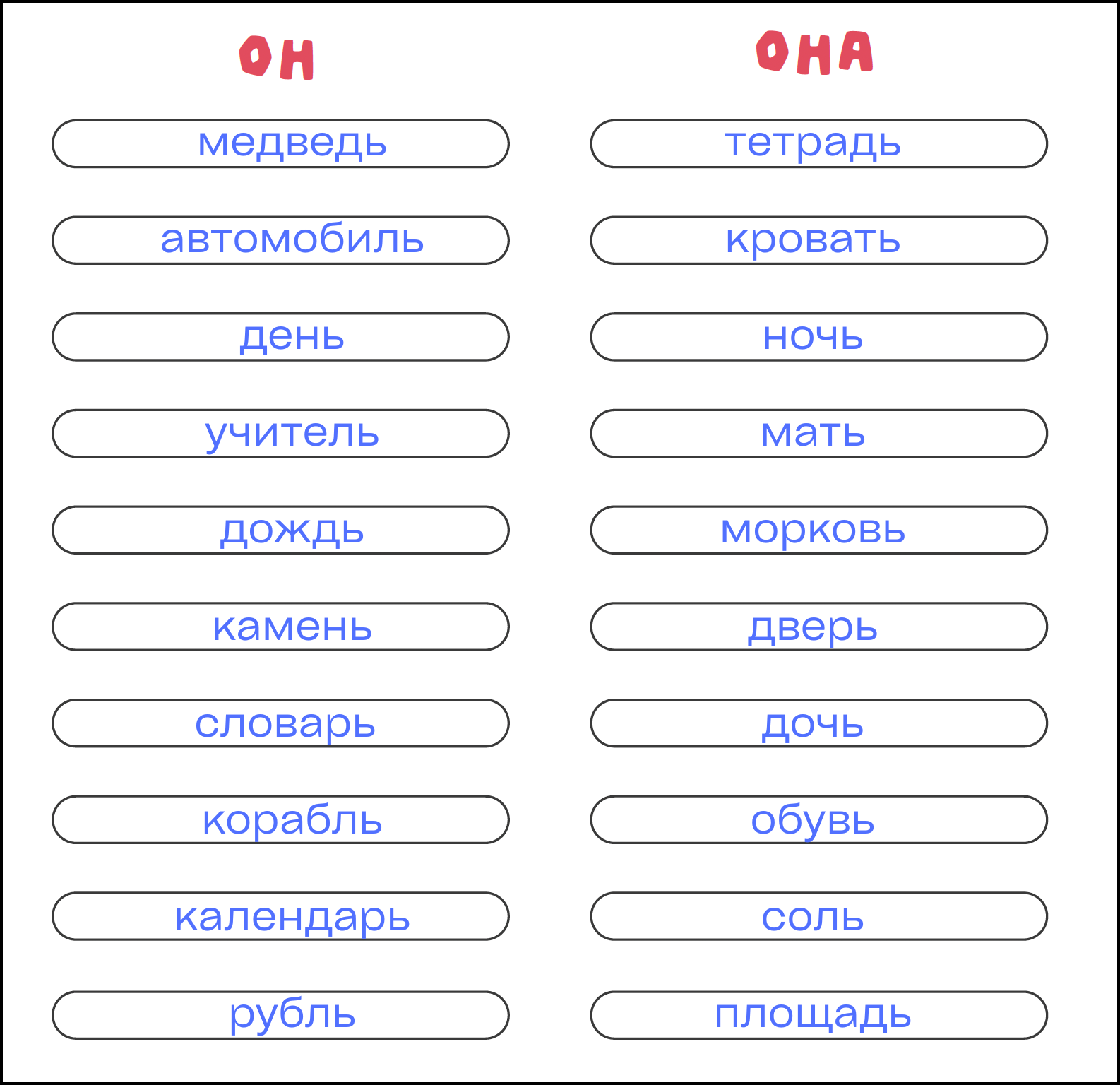
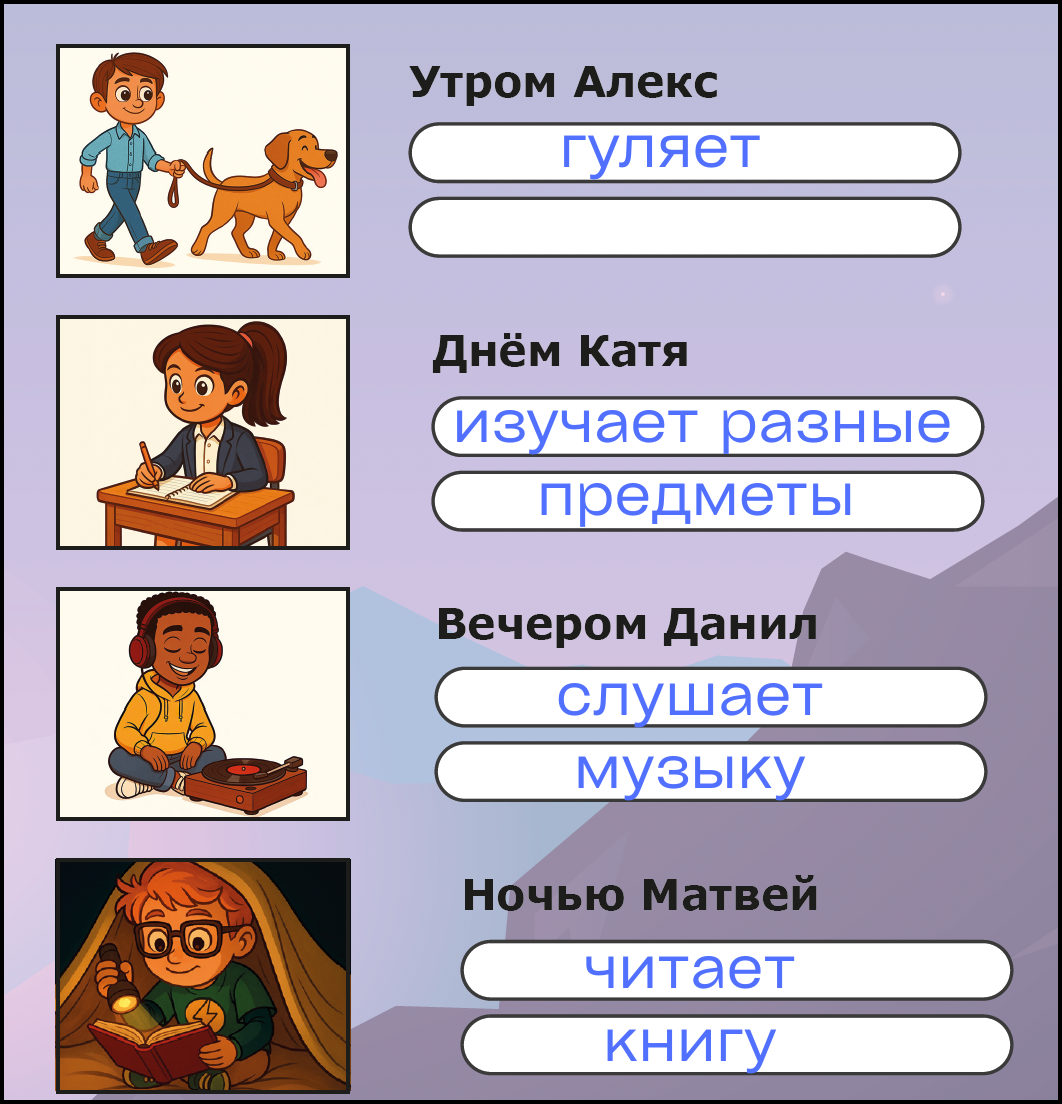
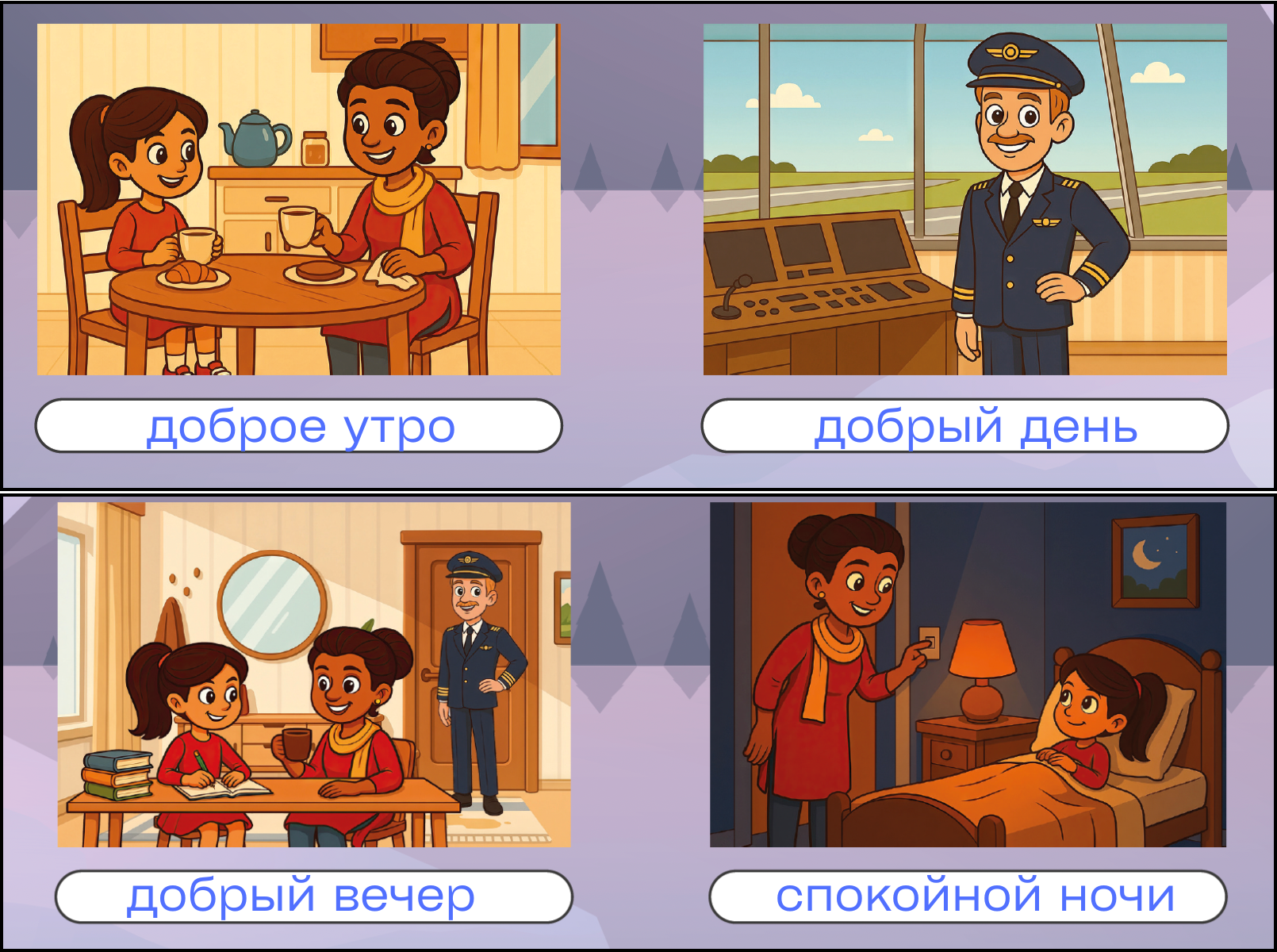
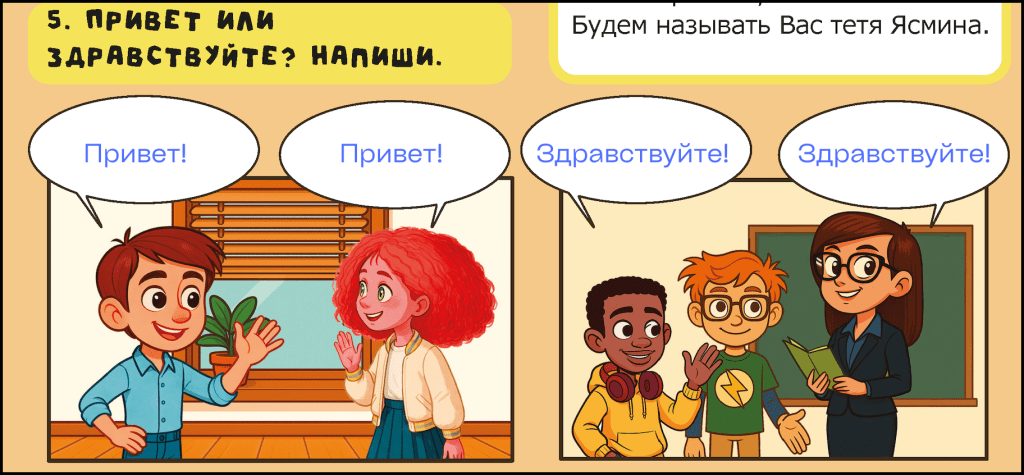
Russian for children
a practical course for teachers
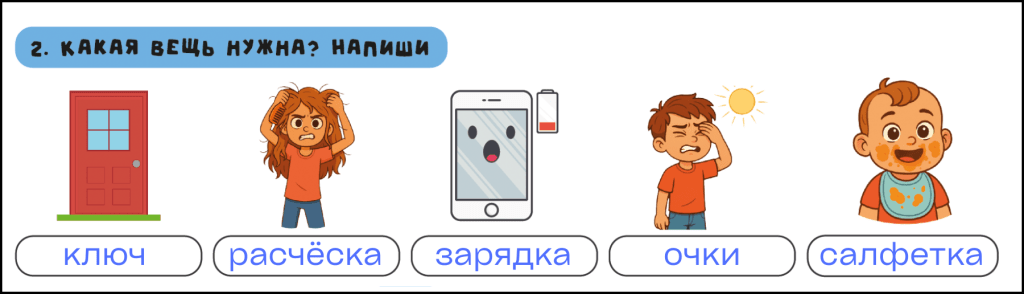
Diana Bukaeva—a Russian as a Foreign Language (RFL) instructor and author of children’s textbooks—is now accepting applications for her course on effective methods for teaching Russian as a foreign language to children.
In this course, you will explore the key aspects of teaching Russian as a foreign language to children: how to structure a lesson, save time on preparation, and use effective methods to develop students’ spontaneous speech.
The course begins on July 20, 2026


Immediately after payment, you will receive:
1. Access to the introductory video
2. First practical resource:
3. Letter with next steps.
A spot on the course is reserved for you
The best price is available until May 15!
— An effective combination of the communicative approach (CELTA) and RKI methodology for children
— Ready-made lesson plans and a lesson planning system
— Speech prompts and tools for developing students’ spontaneous speech
— Course duration: 8 weeks
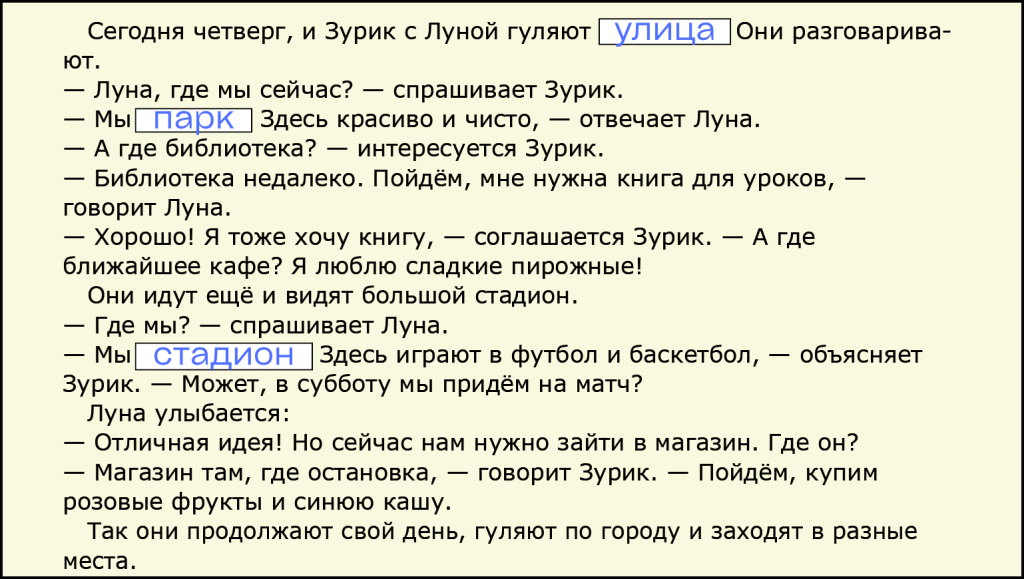
— During the course, you will develop your own lesson plan that you can immediately put to use in your work
— Upon completion of the course, you will receive a certificate of participation
Does this sound like you?
— The student has been studying for a long time but still hasn’t started speaking fluently
— It’s difficult to keep the child’s attention and maintain their motivation
— Preparing for lessons takes hours
— There is no clear structure to the lessons
— There’s no one to discuss teaching methods with
— Despite my experience, I still feel unsure about my teaching methods
If at least two of these points resonate with you, this course is for you.
Who is this program for?


This program is especially useful if you:
- You work with children and want to develop a more systematic approach
- have already undergone training but have not been provided with a clear lesson plan
- Do you want to feel more confident when working with students learning Russian as a foreign language?
- You're not looking for theory, but for a clear and practical approach

When it comes to teaching children, it is not so much a degree that matters as practical experience and an understanding of how to structure a lesson.
After completing the training, you will be able to
IDENTIFY THE STUDENT'S TYPE
understand the level and characteristics, and choose the appropriate approach
Organize a Lesson by Structure
From lesson objectives to explanation, practice, and reinforcement
Developing a child's speech
understand why a child isn't speaking and help them start talking
Work with the textbook
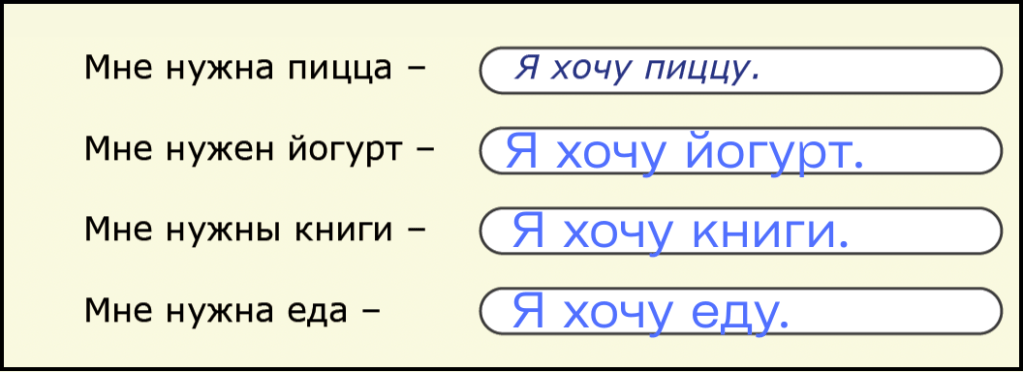
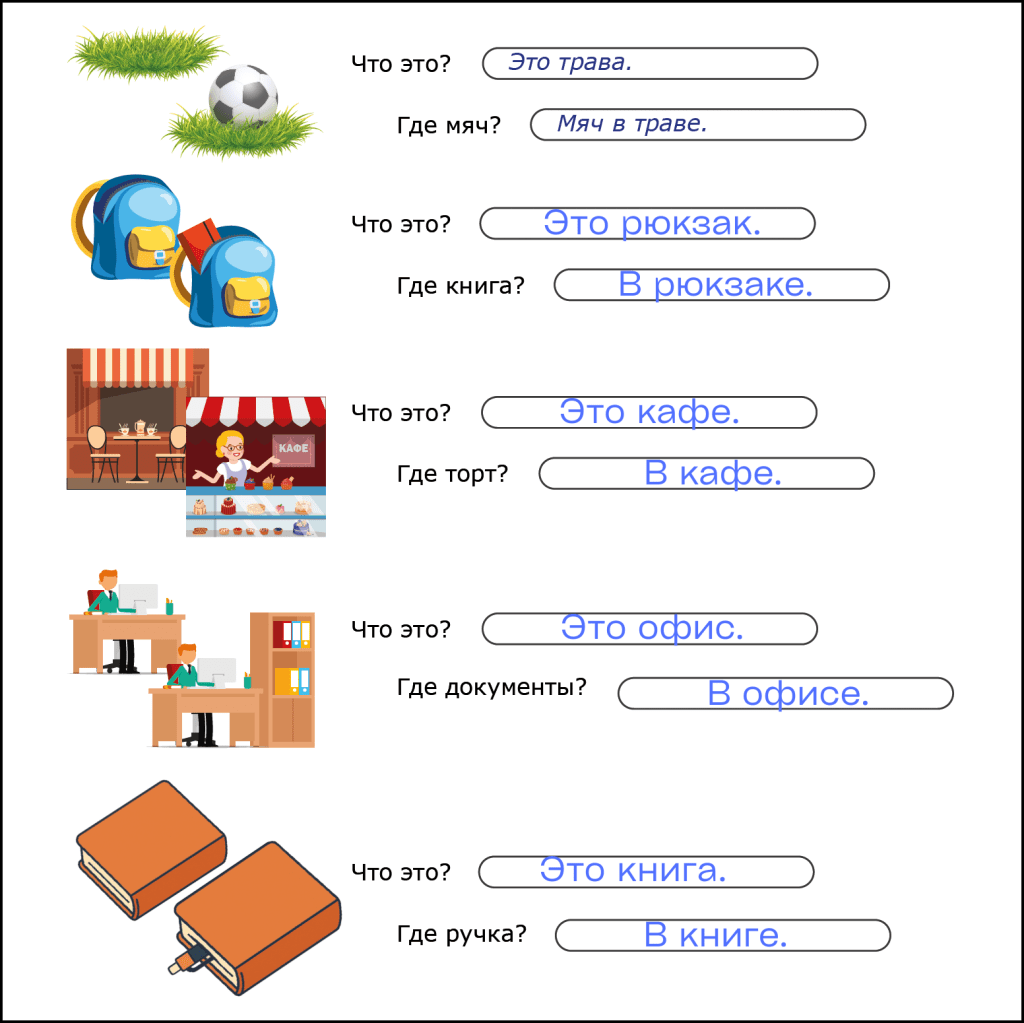
turn assignments into a full-fledged lesson rather than simply following them mechanically
Prepare for class faster
use ready-made templates, speech prompts, and a systematic approach
Have a lesson plan ready
which you'll be able to use as early as your next class
Why was this program created?


Many teachers came to me for private consultations with the same questions:
“How can I explain cases to a child without losing their attention?”
“My child understands everything but answers in English—what should I do?”
"I spend two hours preparing for a lesson, but the material only lasts 20 minutes."
I have seen talented teachers lose their confidence because they lack a clear methodological framework for working with children who do not live in a language-rich environment.
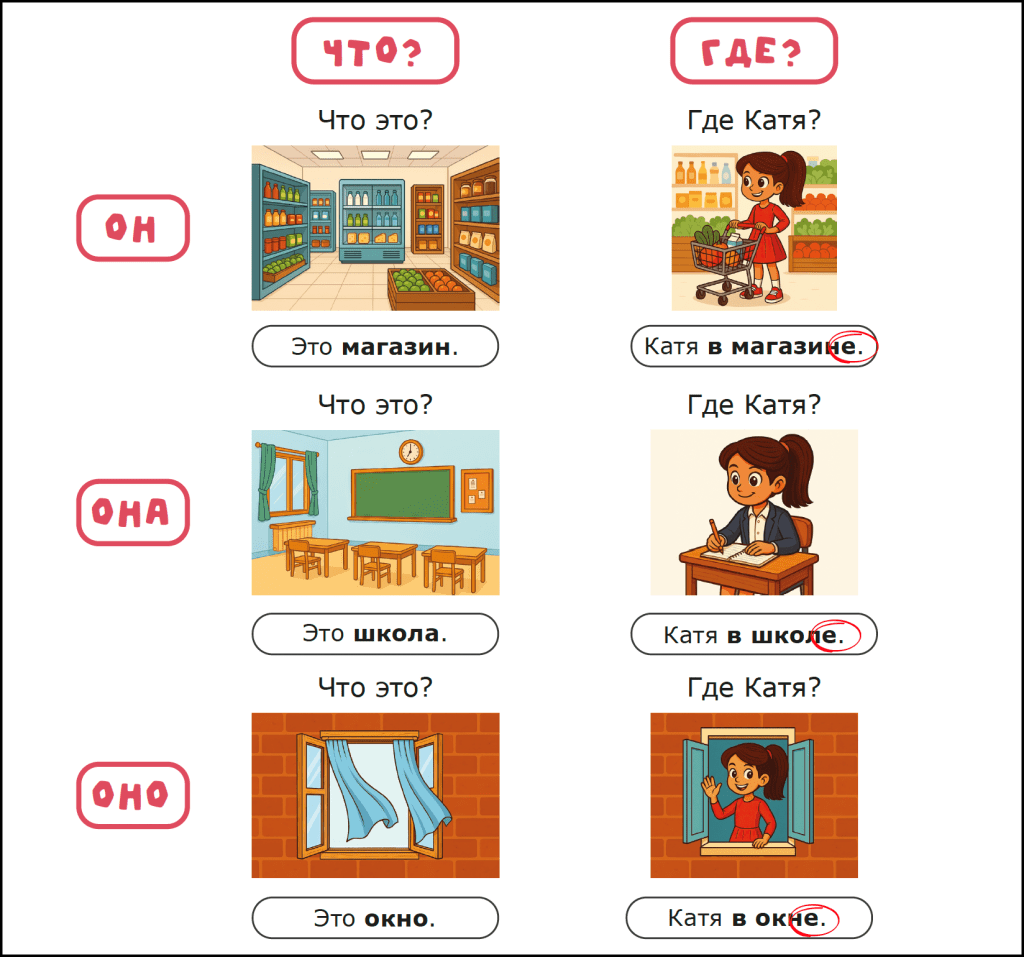
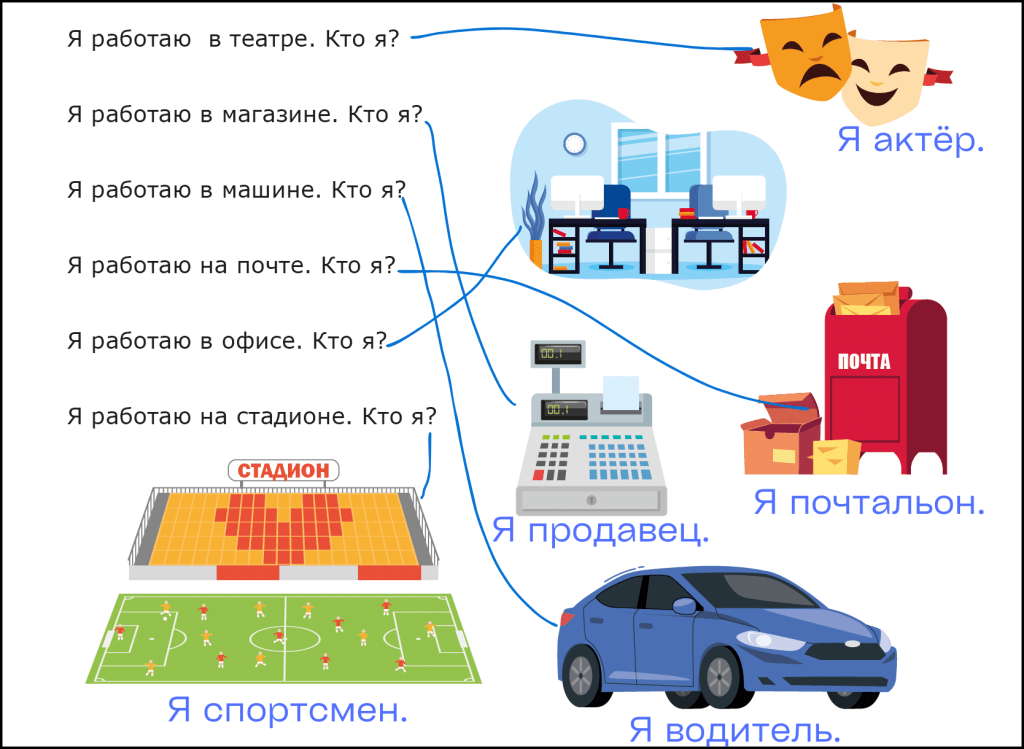
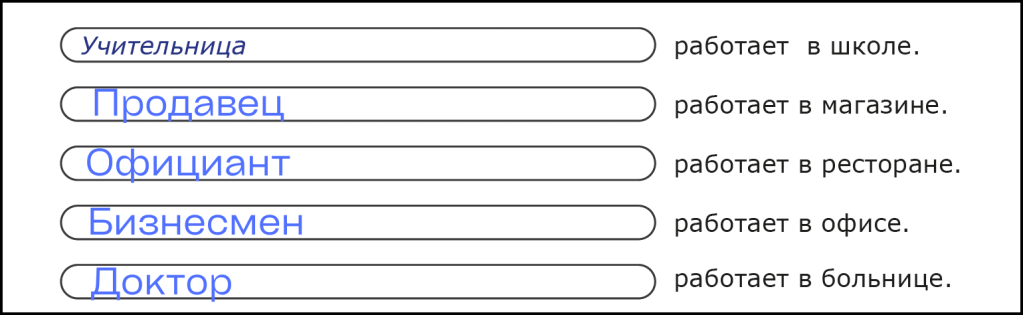
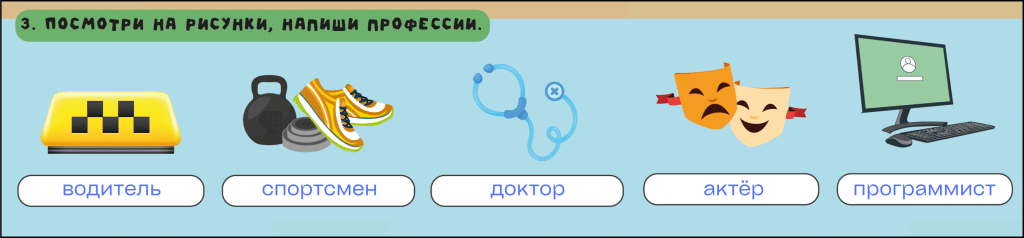
Russian as a Foreign Language courses are designed for adults.
Teacher training is reserved for schools.
And in between—nothingness.
I created this course to fill that gap.
Here is everything I’ve learned after 14 years of working in the field of early childhood education and with bilingual children: from assessing a student’s needs to creating a ready-to-use lesson plan.
— Diana Bukaeva
The course begins on July 20, 2026

What's included in the course
Who is your student, and what are the learning objectives?
Let’s explore the types of students a Russian as a Foreign Language (RFL) instructor works with, how to assess their proficiency levels and set realistic learning goals, and how to track their progress without setting unrealistic expectations.
How to Structure Course Content
You will learn how to select lesson materials, what to emphasize, and how to structure your teaching not as a series of isolated lessons, but as a cohesive system designed to develop all types of language skills.
Structure of a Russian as a Foreign Language lesson for children
Let’s break down the structure of a lesson: from setting objectives to introducing the material, practicing, and reinforcing it, as well as the transition from understanding to actively using the language.
Development of Spoken Language
Let’s take a closer look at how to design activities that promote speech development, how to use speech prompts, and how to facilitate the transition from repetition to independent speech.
Tailoring instruction to the student
Let’s discuss how to take into account students’ skill levels, ages, and motivation, manage the pace of the lesson, and adapt materials to specific learning objectives.
Dealing with difficult situations
Let’s examine some common challenges: lack of verbal engagement, switching to another language, and declining motivation. We’ll also touch on interacting with parents and managing expectations.
Fundamentals of RKI Theory and Working with Materials
Let’s examine the four language skills—listening, speaking, reading, and writing—and their role in lesson planning. We’ll discuss how to work on vocabulary, grammar, and pronunciation, how to prioritize these areas, and how to integrate these language aspects into the lesson. We’ll explore how to use authentic materials in class and how to adapt texts to students’ proficiency levels.
Final lesson plan
By the end of the course, you will have a clear understanding of how to structure a Russian as a Foreign Language (RFL) lesson for children—with a logical structure, a well-thought-out system of tasks, and tailored to the student’s needs.
❗As we finalize the course content and refine the methodology, some topics and phrasing may change, but the main objective of the course will remain the same: to help you learn how to plan and conduct effective Russian as a Foreign Language (RFL) lessons for children.
Before creating the course, our team conducted a series of interviews with teachers from various countries.
Here’s what they had to say:
We address these and other issues in the course
Course format


A special price is available for the first participants
The first session is available at a special price.
The price will be €219 going forward.
Until May 15 – discounted price
The course begins on July 20, 2026
ABOUT THE COURSE AUTHOR


Diana Bukaeva
Russian as a Foreign Language instructor, textbook author,
founder of the "Dialog" School
For over 14 years, I have been teaching Russian as a foreign language and Russian to children learning the language outside a native-speaking environment. My professional experience spans Russia, China, and Europe, and today also includes international online teaching and collaboration with teachers around the world.
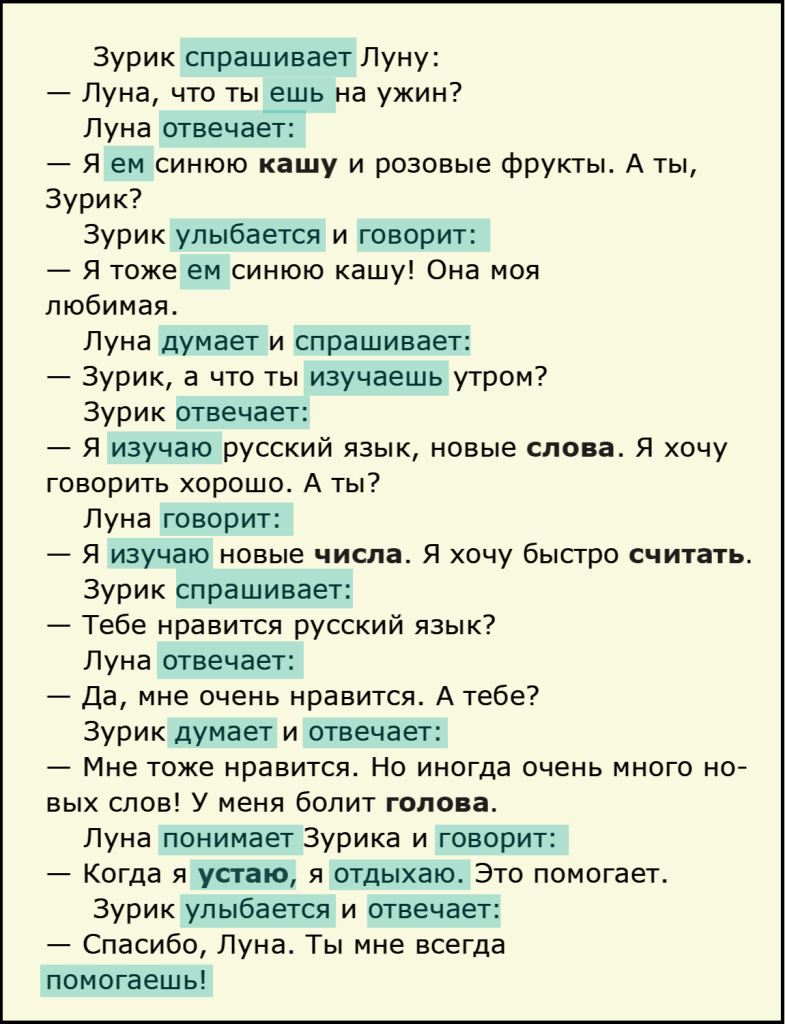
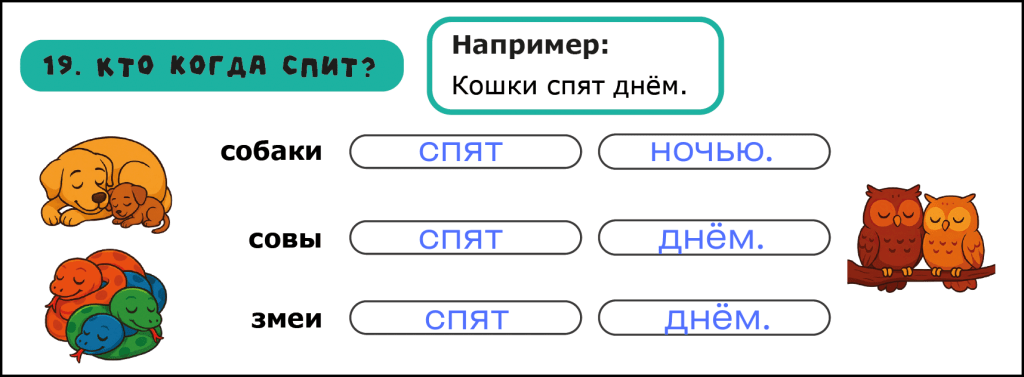
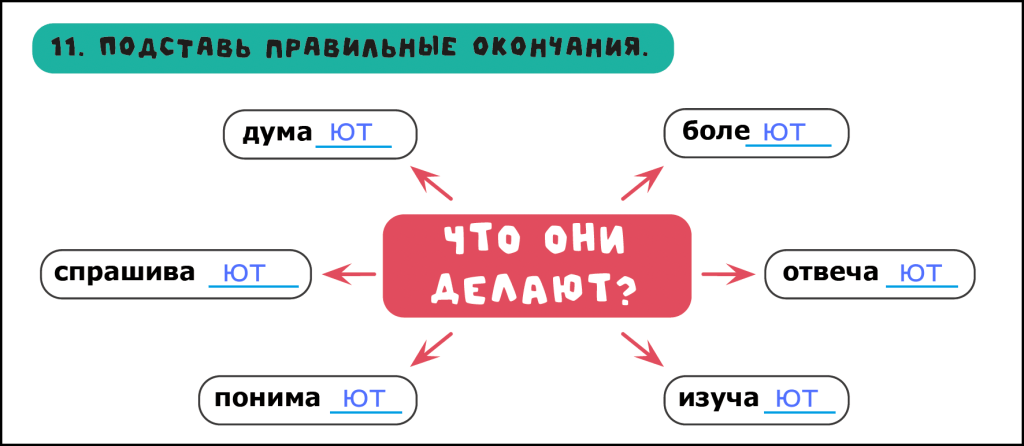
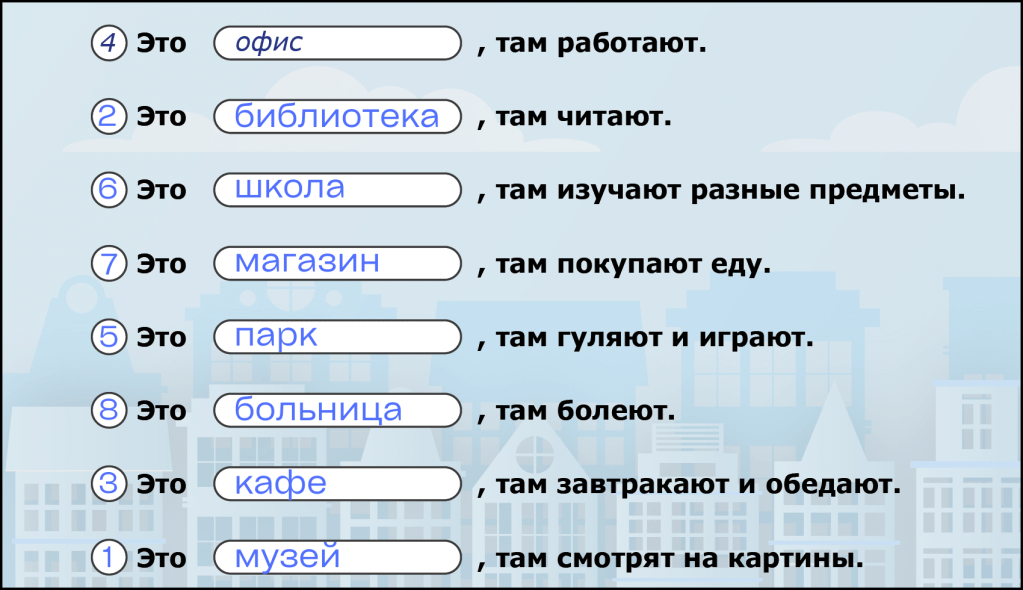
I am the author of the “Say Hello!” textbook series (11 books), the “Intensive Russian Grammar” course, the “Vocabulary Words” workbook, and the CLIL course “World History for Bilinguals.” All of these materials are based on a systematic approach to language learning, designed to develop speaking skills and language comprehension.
Education:
Kazan Federal University — Specialist in Russian as a Foreign Language
RUDN University — Professional Development (Russian as a Foreign Language for Bilingual Children)
Saint Petersburg State University and the University of Parma — Training in CLIL
CELTA (Cambridge) — English Language Teaching Qualification
Professional Experience:
Founder of the "Dialog" School
Hunan Normal University (China)
"World of Harmony" School (Malta)
Participation in international conferences on bilingualism and Russian as a foreign language
The creator of the educational YouTube channel "Diana Bukaeva," which is dedicated to teaching Russian to children.
Frequently Asked Questions
I don't have a specialization in RKI. Is this a good fit for me?
I've already taken courses in Russian as a foreign language. Will this be helpful?
How much time does it take per week?
What if I don't make it in time?
Will there be recordings of the live sessions?
I live in a different time zone. Is that okay?
Can I get a refund?
How can I view the full program?
The final version will be finalized closer to the start date, as our team is currently refining the content to ensure the program is truly useful, practical, and not overly demanding. It is important to us that the training not only be substantive but also realistic in terms of the pace at which it is delivered.
What happens after payment?
Once payment is received, your spot in the program will be secured, and the current participation fee will be confirmed.
We will add you to the participants' chat group, where you will find all further information: dates, organizational details, links, and training materials.
When does the program start?
The program will begin at the end of summer.
We will notify participants of the exact date and organizational details in advance via chat and through the contact information provided.
Will there be in-person meetings?
Yes, the program will include live online sessions with Diana Bukayeva herself.
During these sessions, you will be able to:
- discuss questions about the material,
- break down the tasks,
- get feedback,
- to talk things over and clarify any confusing points.
When will the online meetings take place?
We will coordinate the exact schedule for in-person meetings with the group.
It is important for us to choose a time that works for most participants.
Will there be a certificate?
Yes, upon completion of the program, you will receive a personalized certificate with your unique participant code.